
Choosing the right CNC machine tools is one of the most important decisions for any workshop or manufacturing business. Selecting the wrong machine can lead to wasted investment, lower production efficiency, and inconsistent part quality.
At CNC Yangsen, we provide professional guidance to help you identify the CNC machines that best fit your production needs. By carefully considering factors such as part size, material type, precision requirements, and workflow complexity, you can maximize efficiency, reduce scrap, and minimize downtime.
Whether you are looking for a vertical machining center, a CNC milling machine, or other precision CNC machines, this guide will equip you with the knowledge to make informed decisions and achieve the highest return on your investment.
CNC machine tools are specialized devices used in automated machining processes to shape, cut, or finish materials into precise forms. They are operated by CNC systems, which execute pre-programmed instructions to perform specific machining operations. These tools are essential for tasks requiring high precision and repeatability, making them indispensable in manufacturing settings.
It’s important to distinguish CNC machine tools from CNC machines themselves. While a CNC machine refers to the entire setup—including the machine body, control system, and moving parts—the term “CNC machine tools” specifically refers to the components used for cutting, drilling, or shaping materials.
Examples include milling cutters, turning tools, and grinding wheels. The tools are the interface between the CNC machine and the workpiece, directly impacting the quality of the finished product.
Understanding the various types of CNC machine tools is crucial for selecting the appropriate equipment for your workshop. Each machine type is designed for specific production needs—choosing the wrong one can reduce efficiency, increase scrap, and limit your growth. By knowing which CNC machine aligns with your parts, materials, and workflow, you can maximize productivity, precision, and ROI.
Machine Types:
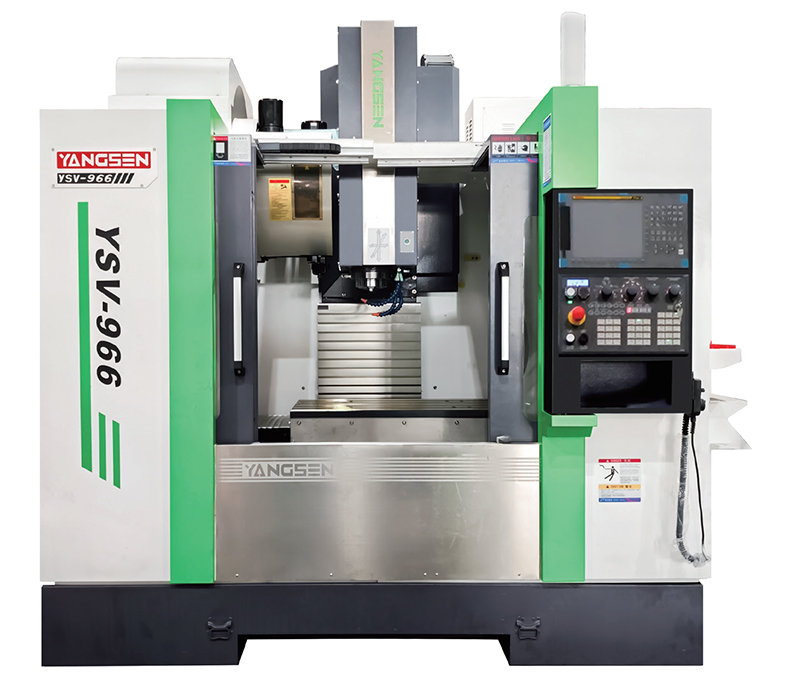
Vertical Machining Center (VMC)
Features: Vertical spindle orientation, rigid column, high-precision table.
Applications: Medium-sized parts, high-precision components, multi-operation tasks.
Customer Benefits: Faster setup for small to medium-sized parts, consistent quality, and lower operating costs.
CNC Milling Machine
Features: Horizontal or vertical milling, flexible tooling options.
Applications: Complex geometries, prototyping, multi-material parts.
Customer Benefits: High flexibility, precise cuts, efficient for small batches or custom parts.
CNC Lathe
Features: Rotating workpiece, fixed cutting tools, automated tool changes.
Applications: Cylindrical parts, shafts, bushings.
Customer Benefits: High speed for rotational parts, consistent dimensional accuracy.
5-Axis CNC Machine
Features: Multi-axis movement, simultaneous cutting.
Applications: Aerospace parts, molds, complex 3D shapes.
Customer Benefits: Reduces setups, high precision, ideal for complex parts.
Horizontal Machining Center (HMC)
Features: Horizontal spindle, pallet changers for large production.
Applications: Large workpieces, high-volume production.
Customer Benefits: Efficient for heavy-duty operations, increases throughput.
Selecting the right CNC machine tools requires careful evaluation of various factors to ensure efficiency, durability, and precision in machining operations. Here’s a breakdown of the key considerations:
The type of material being machined plays a critical role in tool selection. Hard metals like steel or titanium require robust tools such as carbide or ceramic, which can withstand high temperatures and resist wear.
In contrast, softer materials like plastics, composites, or wood are better suited to high-speed steel (HSS) tools, which offer greater flexibility and sharpness. For example, milling cutters with sharp edges and low-friction coatings work well for aluminum, while diamond-coated tools are ideal for machining composites.
The production scale determines the durability and type of tools needed. For high-volume manufacturing, tools with advanced coatings and long wear resistance, like titanium nitride-coated carbide tools, are essential for extended use. Conversely, small-batch production or prototyping may prioritize cost-effective tools over longevity.
Tight tolerances and intricate designs require specialized tools with high precision. Industries like aerospace and medical device manufacturing demand ultra-precise tools such as micro-end mills or diamond-coated tools, ensuring flawless finishes and dimensional accuracy.
The shape and size of a tool directly influence cutting performance. For example, tools with sharp angles are optimal for slotting, while rounded tools are better suited for contouring. Threading applications may require uniquely shaped taps or thread mills for efficient operation.
Tool coatings like titanium nitride or aluminum oxide enhance performance by reducing friction, improving heat resistance, and extending tool life. These coatings are particularly beneficial for high-speed applications or machining abrasive materials.
The compatibility of a tool with specific cutting speeds, feed rates, and depths of cut is essential for achieving optimal results. Tools that can operate at higher parameters improve productivity without compromising quality.
Tool stability depends on compatible holders and spindles. Selecting tools that match the machine’s speed, torque, and power specifications ensures seamless operation and reduces the risk of tool failure.
Balancing cost with quality is crucial. Investing in high-quality tools often results in long-term savings through reduced wear, fewer replacements, and improved machining efficiency, ensuring a better return on investment (ROI).
By carefully considering these factors, manufacturers can select CNC machine tools that align with their production needs and operational goals.
Selecting a reliable supplier is just as critical as choosing the right CNC machine tools. The supplier’s reputation, support services, and adherence to quality standards can significantly impact the efficiency and longevity of your tools.
Sourcing tools from trusted brands or suppliers ensures quality and performance consistency. Reputable suppliers often have a proven track record of delivering durable tools tailored to various applications. When evaluating a supplier, look for customer reviews, case studies, or testimonials highlighting their reliability. For instance.
Suppliers offering expert technical support are invaluable, especially for businesses needing help selecting the right tools for specific applications. Reliable suppliers provide after-sales support, such as warranties, tool replacements, and maintenance services, ensuring uninterrupted operations. This guidance can save time and reduce the risk of purchasing incompatible or subpar tools.
In industries requiring specialized machining operations, custom CNC tools are essential. Provide bespoke tooling solutions for unique applications, helping industries such as aerospace, automotive, and medical meet their specific requirements.
Certifications like ISO or CE ensure that CNC machine tools meet stringent quality and safety standards. Tools from certified suppliers guarantee superior performance and compliance with global manufacturing regulations, offering peace of mind to customers.
Partnering with a reputable supplier ensures access to high-quality tools, expert guidance, and the flexibility to meet your production needs.
Choosing the right CNC machine tools requires careful evaluation to ensure they meet the needs of your production process. Assessing quality before purchase can save time, money, and effort in the long run.
High-quality tools are characterized by robust materials such as carbide, high-speed steel (HSS), or ceramics. Examine the build quality by looking for uniformity and precision in construction. Avoid tools with visible defects, uneven surfaces, or substandard finishes, as these can lead to poor performance or premature wear.
Customer reviews and case studies provide invaluable insights into a tool’s performance. Feedback from users in similar industries helps gauge durability, cutting efficiency, and reliability. Many suppliers share case studies showcasing how their tools excel in specific applications, making them a helpful resource for informed decision-making.
Before committing to a purchase, conduct trial runs to evaluate tool performance. Test the tools on the intended materials to monitor cutting efficiency, surface finish quality, and tool wear. This practical assessment ensures the tool will meet your requirements and deliver optimal results in real-world conditions.
Selecting the wrong CNC machine tools can disrupt production, increase costs, and compromise product quality. Avoid these common mistakes to ensure a smooth manufacturing process:
Each material—whether metal, plastic, or composite—requires tools tailored to its properties. Using tools unsuited to the material can result in poor cutting performance, damage to the tool, or subpar product finishes. Always prioritize tools designed specifically for the materials you work with.
Tools incompatible with your CNC machine's spindle size, speed, or torque can lead to unstable operations and reduced efficiency. Mismatched tools can also cause damage to the machine or compromise precision. Always verify compatibility with your machine’s specifications before purchasing.
While budget constraints are important, prioritizing cost over quality can lead to higher long-term expenses due to frequent replacements or poor performance. Investing in durable, high-quality tools provides better ROI and reduces downtime caused by tool failure.
Failing to consider maintenance needs can shorten tool lifespan and reduce productivity. Opt for tools that are easy to maintain and ensure regular upkeep to maximize their efficiency and longevity.
By avoiding these pitfalls and conducting thorough assessments, businesses can select CNC machine tools that enhance efficiency, precision, and overall productivity.
Proper maintenance is essential for ensuring CNC machine tools perform optimally and last longer. By adopting effective practices, businesses can reduce downtime, enhance efficiency, and minimize costs.
Regular maintenance is crucial to keeping tools in top condition. Cleaning tools after use removes debris and reduces the risk of rust or wear. Sharpening cutting edges maintains precision and efficiency, while replacing worn tools prevents damage to the machine and workpieces. Following a recommended maintenance schedule, such as daily cleaning and periodic inspections, ensures consistent performance and prevents sudden failures.
Proper storage and handling can significantly extend the lifespan of CNC tools. Tools should be stored in designated compartments or protective cases to prevent physical damage and exposure to moisture or contaminants. When handling tools, use appropriate safety measures like gloves and avoid dropping or mishandling them. These simple steps ensure the tools remain intact and ready for use.
Monitoring tool wear is key to maintaining efficiency and preventing unexpected breakdowns. Signs of wear, such as dull edges or uneven cuts, indicate that a tool needs replacement. Advanced monitoring systems can track tool performance in real-time, alerting operators when a tool reaches its wear limit. This proactive approach enhances precision and reduces waste.
All in all, selecting the right CNC machine tools is crucial for optimizing manufacturing processes and ensuring product quality. By considering factors such as material type, production volume, precision requirements, and tool geometry, manufacturers can make informed choices that enhance efficiency and reduce operational costs.
Additionally, choosing a reliable supplier and assessing tool quality before purchase are essential steps to avoid costly mistakes and ensure long-term tool performance. Proper maintenance and storage practices further extend the lifespan of CNC tools, contributing to sustained productivity.
Ultimately, understanding these key considerations empowers businesses to select the best CNC machine tools, leading to improved operational efficiency, higher-quality products, and greater profitability.