
Machining is one of the most important manufacturing processes in mechanical engineering, used to produce accurate components by removing unwanted material from a workpiece. It plays a major role in industries such as automotive, aerospace, medical, construction, and industrial machinery. Different machining methods, including turning, milling, drilling, grinding, and CNC machining, are selected according to the material, component design, and required accuracy.
Modern machining combines advanced cutting tools, computerized control systems, and precise machining parameters to achieve consistent results. Understanding the machining process helps engineers select suitable methods, improve production efficiency, maintain dimensional accuracy, and achieve the required surface finish.
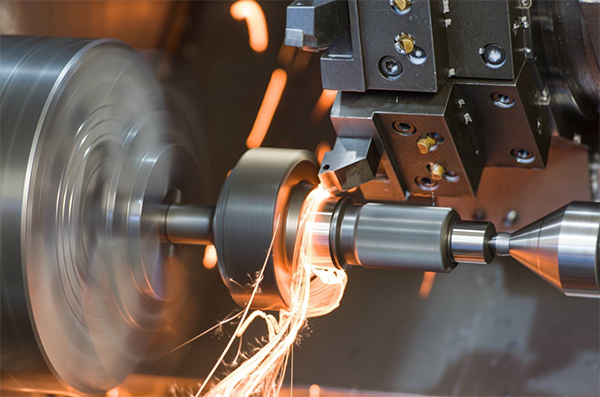
Machining is a manufacturing process in which unwanted material is removed from a workpiece to achieve the required shape, dimensions, and surface finish. The workpiece can be made from materials such as aluminum, steel, stainless steel, titanium, and engineering plastics. During machining, a cutting tool removes material in the form of chips while the tool and workpiece move relative to each other.
In mechanical engineering, machining is widely used to manufacture precise components that require specific dimensions and tolerances. Common machining operations include turning, milling, drilling, boring, grinding, and threading. Depending on the application, machining can be performed using conventional machines or computer-controlled CNC equipment.
Machining processes can be classified into three major categories: conventional machining, abrasive machining, and non-traditional machining. Each category uses a different material-removal mechanism and is selected according to the workpiece material, required accuracy, surface finish, component geometry, and production requirements.
Conventional machining processes remove material through direct mechanical contact between a cutting tool and the workpiece. These methods are widely used in mechanical engineering because they are suitable for producing a wide range of components with different shapes and dimensions.
Turning
Turning is a machining process in which the workpiece rotates while a cutting tool moves along or across its surface. It is mainly used to produce cylindrical, conical, and threaded components. Common applications include shafts, pins, bushes, bolts, and other rotational parts.
Milling
Milling uses a rotating multi-point cutting tool to remove material from a stationary or moving workpiece. It can produce flat surfaces, slots, pockets, grooves, contours, and complex profiles. CNC milling machines are commonly used when high accuracy and repeatability are required.
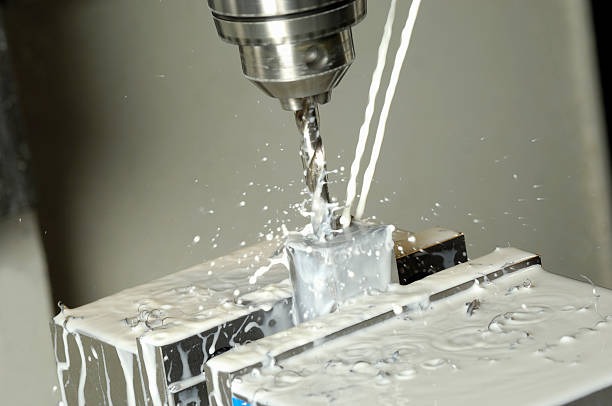
Drilling
Drilling creates round holes in a workpiece using a rotating drill bit. It is one of the most common machining operations and is often used as an initial step before processes such as boring, tapping, or reaming.
Boring
Boring enlarges or improves the accuracy of an existing hole. A single-point cutting tool removes a controlled amount of material from the inside surface of the hole. It is commonly used when greater dimensional accuracy and alignment are required.
Shaping
Shaping removes material using a reciprocating cutting tool that moves back and forth across the workpiece. It is primarily used to produce flat surfaces, grooves, and angular profiles, particularly in low-volume or specialized machining applications.
Abrasive machining removes material using hard abrasive particles rather than conventional cutting edges. These processes are particularly useful when high-dimensional accuracy, fine surface finish, or machining of hard materials is required.
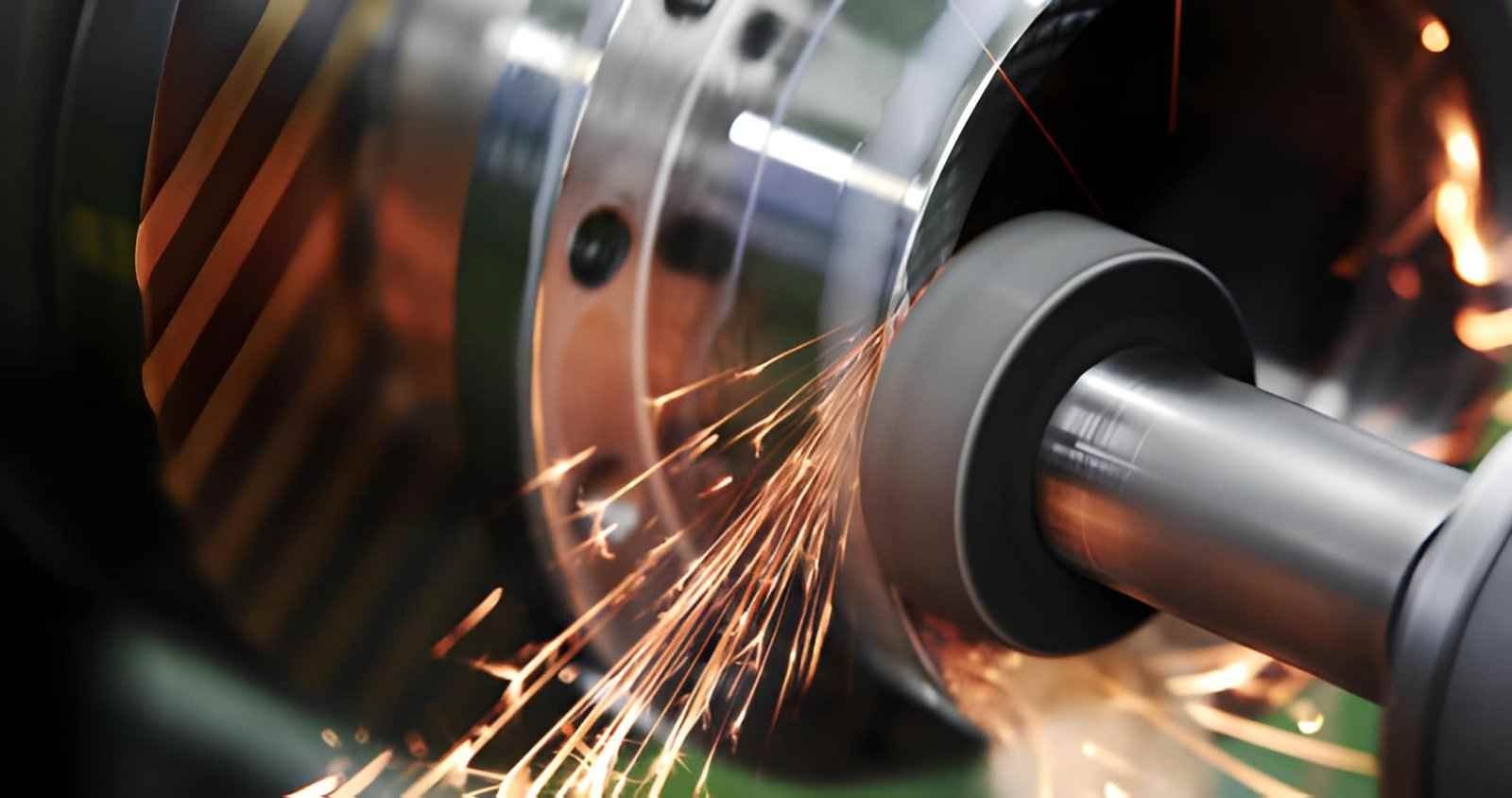
Grinding
Grinding uses a rotating abrasive wheel to remove small amounts of material from a workpiece. It can achieve high-dimensional accuracy and an excellent surface finish. Grinding is commonly used for hardened steels, precision components, shafts, gears, and tool surfaces.
Honing
Honing is a precision finishing process that uses abrasive stones to improve the geometry and surface finish of an existing hole or cylindrical surface. It is frequently used for engine cylinders, hydraulic components, and precision bores.
Lapping
Lapping is an ultra-precision finishing process in which fine abrasive particles are used between a workpiece and a lapping surface. It produces extremely smooth and flat surfaces and is commonly applied to precision components, seals, gauges, optical parts, and mating surfaces.
Non-traditional machining processes remove material using mechanisms other than conventional mechanical cutting. Depending on the process, material may be removed through electrical energy, chemical reactions, thermal energy, ultrasonic vibration, or high-pressure fluid.
EDM (Electrical Discharge Machining)
EDM removes electrically conductive material through controlled electrical sparks between an electrode and the workpiece. Because there is no direct contact, EDM is suitable for hard materials and complex shapes. It is commonly used for molds, dies, cavities, and small precision features.
ECM (Electrochemical Machining)
ECM removes material through a controlled electrochemical reaction between the workpiece and an electrolyte. The process does not involve direct tool-to-workpiece contact, reducing mechanical stresses and tool wear. ECM is useful for machining complex shapes and difficult-to-cut electrically conductive materials.
Laser Beam Machining
Laser beam machining uses a highly concentrated laser beam to melt or vaporize material from a localized area. It can produce small holes, intricate profiles, and precise cuts with limited mechanical force. The process is used for metals and other materials in applications requiring fine features.
The choice between them depends on material properties, component geometry, accuracy, surface-finish requirements, and production volume.
|
Comparison Factor |
Conventional Machining |
Non-Traditional Machining |
|
Machining Principle |
Material is removed through mechanical cutting using a cutting tool. |
Material is removed using electrical, chemical, thermal, ultrasonic, or fluid-based energy. |
|
Tool/Workpiece Contact |
Generally requires direct physical contact between the cutting tool and the workpiece. |
Some processes, such as EDM, ECM, and laser machining, do not require direct mechanical contact. |
|
Material Suitability |
Suitable for many common metals, plastics, and engineering materials. |
Particularly useful for hard, brittle, heat-resistant, or difficult-to-machine materials. |
|
Accuracy |
Can provide high accuracy, depending on the machine, tooling, and process. |
Often capable of producing very precise and intricate features. |
|
Surface Finish |
Surface finish varies according to the machining operation and cutting parameters. |
Can provide good-to-excellent surface finishes, although additional finishing may sometimes be required. |
|
Production Applications |
Widely used for general manufacturing, repair, prototyping, and high-volume production. |
Commonly used for complex geometries, hard materials, micro-features, molds, dies, and specialized components. |
|
Examples |
Turning, milling, drilling, boring, shaping, broaching, and reaming. |
EDM, ECM, laser beam machining, ultrasonic machining, and water jet machining. |
Machining tools are selected according to the machining operation, workpiece material, required accuracy, cutting conditions, and desired surface finish. The cutting tool must have sufficient hardness, toughness, wear resistance, and thermal stability to remove material efficiently without excessive wear or failure.
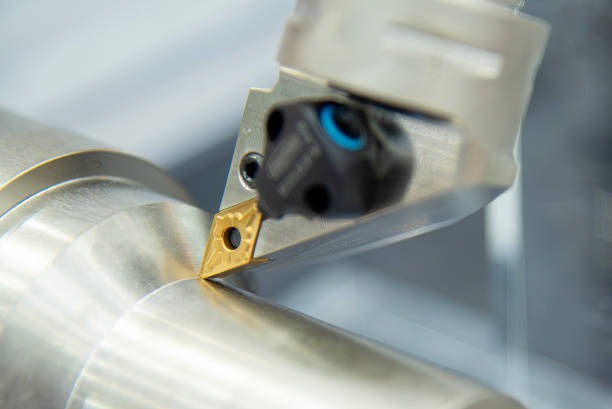
Single-Point Cutting Tools
Single-point cutting tools have one primary cutting edge and are commonly used in operations such as turning, boring, shaping, and planing. The tool removes material as it moves relative to the workpiece, whether rotating or stationary.
Multi-Point Cutting Tools
Multi-point cutting tools have several cutting edges that remove material simultaneously or successively. Milling cutters, drills, reamers, and broaches are common examples. They can efficiently remove material and are widely used in production machining.
Abrasive Tools
Abrasive tools remove material through the action of hard abrasive particles. Grinding wheels, honing stones, and lapping compounds are common examples. They are mainly used for precision finishing, dimensional correction, and machining hard materials.
HSS
High-speed steel (HSS) is a tough tool material that maintains its hardness at elevated temperatures. HSS tools are commonly used for drills, tapping, end milling, reaming, and other general-purpose cutting applications.
Carbide
Carbide tools offer higher hardness, wear resistance, and hot hardness than HSS. They are widely used for high-speed machining of materials such as steel, cast iron, stainless steel, and aluminum.
Ceramic
Ceramic cutting tools offer excellent hardness and high-temperature resistance, enabling operation at high cutting speeds. They are mainly used for machining hard materials and certain high-speed finishing operations.
CBN
Cubic boron nitride (CBN) is an extremely hard cutting tool material used primarily for hardened steels, cast irons, and other difficult-to-machine materials. It provides good wear resistance and dimensional stability during precision machining.
Machining parameters determine how a cutting tool interacts with the workpiece. Proper selection of these parameters affects material removal rate, tool life, surface finish, dimensional accuracy, power consumption, and overall machining efficiency.
Cutting speed is the relative speed at which the cutting edge moves across the workpiece surface. It is usually expressed in meters per minute (m/min). The appropriate cutting speed depends on the workpiece material, tool material, tool diameter, and machining operation.
Feed rate describes how quickly the cutting tool or workpiece advances during machining. It is commonly expressed in mm/min or, depending on the operation, mm/revolution. A suitable feed rate helps balance productivity, tool life, cutting forces, and surface finish.
Depth of cut is the thickness of material removed during a single machining pass. A larger depth of cut generally increases material removal but also increases cutting forces and power requirements. Roughing operations typically use greater depths of cut, while finishing operations use smaller values.
Spindle speed is the rotational speed of the spindle or workpiece, normally measured in revolutions per minute (RPM). It affects cutting speed, heat generation, tool wear, and surface finish. The correct spindle speed depends on factors such as tool diameter and workpiece material.
Different engineering materials require different cutting tools, machining parameters, and cooling strategies. Material hardness, strength, thermal conductivity, ductility, and work-hardening behavior all influence machining performance.
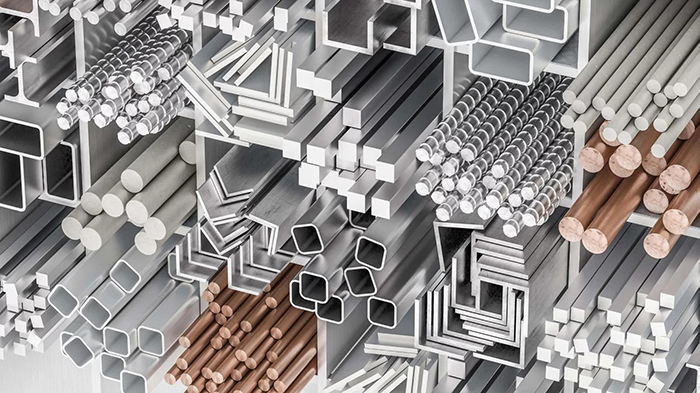
Aluminum is lightweight, relatively easy to machine, and has good thermal conductivity. It is commonly machined for aerospace components, automotive parts, housings, brackets, and electronic enclosures. Sharp tools and appropriate cutting conditions help prevent built-up edge and achieve a good surface finish.
Steel is one of the most widely machined engineering materials. Its machinability varies according to its carbon content, alloying elements, and hardness. Turning, milling, drilling, and grinding are commonly used to manufacture shafts, gears, machine components, and structural parts.
Stainless steel provides excellent corrosion resistance but can be more difficult to machine than conventional steels. Some grades tend to work-harden during machining. Appropriate cutting speeds, sharp tools, sufficient rigidity, and effective coolant application help control heat and tool wear.
Titanium combines high strength with low density and excellent corrosion resistance, making it valuable in aerospace and medical applications. However, its low thermal conductivity and high strength can lead to significant heat buildup in the cutting zone. Careful tool selection, controlled cutting parameters, and effective coolant use are important when machining titanium.
Hardened steel has high hardness and wear resistance, making conventional machining more challenging. Carbide, CBN, grinding, and other suitable processes may be used depending on the hardness and required accuracy. Hardened components are commonly found in dies, molds, gears, bearings, and wear-resistant machine parts.
Engineering plastics such as PEEK, nylon, PTFE, and Delrin can be machined using milling, turning, drilling, and other operations. Their low thermal conductivity and relatively low stiffness require careful control of cutting conditions to prevent melting, deformation, burr formation, or dimensional inaccuracies.
Machining is widely used in mechanical engineering to manufacture precise components with specific dimensions, tolerances, and surface finishes. Different industries select machining processes according to the material, component geometry, production volume, and required accuracy. CNC milling, turning, grinding, drilling, and other machining methods are commonly used to produce both simple and highly complex components.
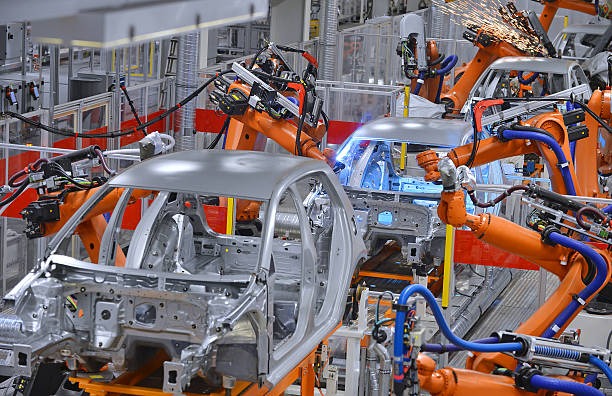
Machining plays an important role in manufacturing automotive components such as engine parts, shafts, gears, brake components, transmission parts, and suspension components. CNC machining allows manufacturers to maintain consistent dimensions and tolerances across large production volumes.
The aerospace industry uses machining to manufacture components such as turbine parts, engine components, landing gear parts, structural components, and aircraft fittings. Materials including aluminum, titanium, and high-strength alloys are commonly machined.
Machining is used to produce medical components such as surgical instruments, orthopedic implants, dental components, and parts for medical equipment. CNC machining can work with materials such as titanium, stainless steel, cobalt-chrome alloys, and engineering plastics.
Machining is essential for producing molds, dies, cavities, cores, and precision tooling used in manufacturing. CNC milling, EDM, grinding, and other precision processes can create complex cavities and detailed surfaces.
Industrial machinery manufacturers use machining to produce shafts, housings, gears, brackets, flanges, rollers, bearings, and other machine components. Conventional and CNC machining processes can be selected based on component size, material, required accuracy, and production requirements.
|
Machining Problem |
Common Causes |
Possible Solutions |
|
Tool Wear |
Excessive cutting speed, incorrect feed rate, high cutting temperature, unsuitable tool material, or prolonged machining. |
Select the appropriate cutting tool, optimize cutting speed and feed rate, use a suitable coolant, and replace worn tools at the appropriate intervals. |
|
Chatter and Vibration |
Poor workholding, excessive tool overhang, low machine rigidity, incorrect cutting parameters, or an unstable setup. |
Improve workpiece clamping, reduce tool overhang, increase setup rigidity, select suitable cutting parameters, and use a more appropriate tool geometry. |
|
Poor Surface Finish |
Worn cutting tool, excessive feed rate, vibration, incorrect cutting speed, or insufficient finishing allowance. |
Use a sharp and suitable tool, optimize feed and speed, reduce vibration, provide an appropriate finishing pass, and maintain proper coolant flow. |
|
Dimensional Inaccuracy |
Tool deflection, thermal expansion, machine misalignment, tool wear, incorrect offsets, or unstable workholding. |
Check machine calibration, verify tool offsets, improve workholding, compensate for tool wear, control temperature, and inspect dimensions during machining. |
|
Excessive Heat |
Excessive cutting speed, high cutting forces, inadequate coolant, dull tools, or poor chip evacuation. |
Reduce cutting speed when appropriate, use sharp tools, improve coolant application, optimize feed and depth of cut, and ensure efficient chip removal. |
1. What is machining in mechanical engineering?
Machining is a manufacturing process in which unwanted material is removed from a workpiece to produce the required shape, dimensions, and surface finish. Common machining methods include turning, milling, drilling, grinding, and boring.
2. What is the difference between conventional and non-traditional machining?
Conventional machining generally removes material through direct mechanical contact between a cutting tool and workpiece. Non-traditional machining uses other forms of energy, such as electrical, thermal, chemical, ultrasonic, or high-pressure fluid energy, to remove material.
3. What are the most common machining operations?
Common machining operations include turning, milling, drilling, boring, grinding, reaming, broaching, and shaping. The appropriate operation depends on the required geometry, material, accuracy, and surface finish of the component.
4. What are the main machining parameters?
The major machining parameters include cutting speed, feed rate, depth of cut, spindle speed, and material removal rate. Proper selection of these parameters affects productivity, tool life, surface finish, cutting forces, and dimensional accuracy.
5. Which machining process is best for high-precision components?
There is no single process that is best for every high-precision component. Grinding, honing, lapping, CNC machining, and certain non-traditional processes can provide high precision depending on the material, geometry, tolerance, and required surface finish.
6. What materials can be machined?
Machining can be performed on a wide range of materials, including aluminum, steel, stainless steel, titanium, hardened steel, cast iron, engineering plastics, and various alloys. Tool selection and machining parameters should be adjusted according to the material properties.
Machining is a fundamental manufacturing process in mechanical engineering that enables the production of accurate, functional, and complex components. From conventional operations such as turning, milling, and drilling to advanced CNC, abrasive, and non-traditional processes, each machining method has specific applications and advantages.
At CNC Yangsen, we provide advanced CNC machining solutions designed to meet a wide range of industrial manufacturing requirements. Our team can help you select the right CNC machine for your application. Contact CNC Yangsen today to discuss your machining requirements and find the right solution for your production needs.