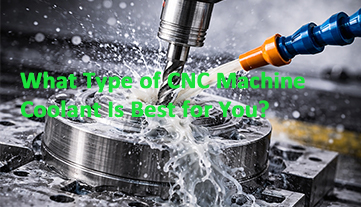
CNC machine coolant is essential for machining processes because it helps maintain appropriate temperature levels, reduces friction, and enables stable cutting operations. High temperatures, resulting from continuous tool-workpiece contact and chip accumulation during CNC machining operations, can h...
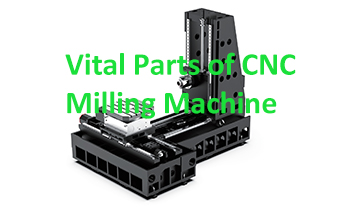
CNC milling machines are widely used in modern manufacturing for producing precise metal parts in industries such as automotive, aerospace, mold making, and general machining. Compared with manual milling, CNC milling offers higher efficiency, greater consistency, and greater repeatability.
But in r...
Modern CNC machining isn’t just about cutting metal anymore—it’s about how efficiently the machine runs.
As parts become more complex and production cycles get tighter, manufacturers face a common challenge:
How do you reduce downtime without sacrificing accuracy?
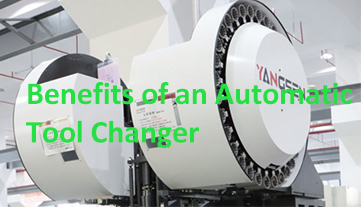
Manual tool chang...
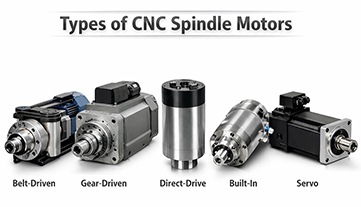
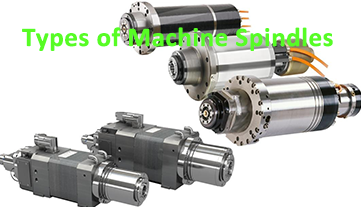
Spindle performance has a direct impact on machining accuracy, cutting stability, and surface finish in CNC machining. Issues such as vibration, noise, overheating, or unstable cutting are often linked to the spindle motor rather than the tooling or programming.
This leads to a key question: how do...
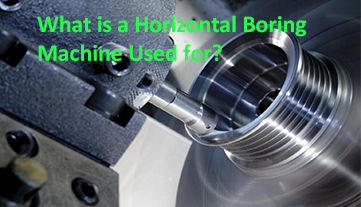
Horizontal boring machines are essential in modern manufacturing, used for machining large, heavy workpieces with high precision. Industries like aerospace, automotive, and heavy machinery manufacturing rely on these machines for components such as engine parts, bearing housings, and machine beds.
W...
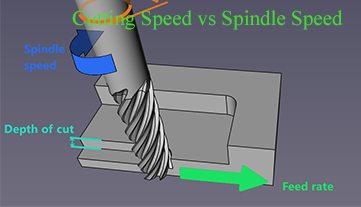
Understanding the difference between cutting speed and spindle speed is crucial for achieving stable machining, a good surface finish, and extended tool life. Many machinists confuse these two concepts, but they are distinct. Cutting speed describes how fast the cutting edge moves across the materia...
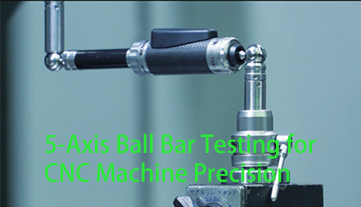
The ball bar test for five axes is the most advanced diagnostic tool applicable to CNC machines of all complexities and covering all multi-axis movements. It can pinpoint different types of errors, including geometric occurrences, servomotor mismatch with separation, or any structural discrepancies...
Precision, power, and performance are the three crucial factors required to cut aluminum. Among the numerous available solutions, the CNC router machine for aluminum is the most efficient, accurate, and cost-effective. Delivering complex designs, smooth finishing effects, and fast cutting speeds. It...
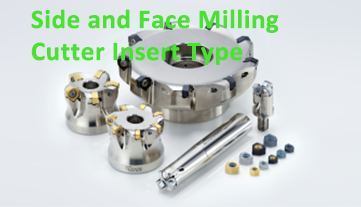
Today, in modern machining, precision and efficiency are key to success. When it comes to creating deep slots, shoulders, or complex profiles, choosing the right cutting tool is crucial, and this is exactly where side and face milling cutters excel.
These cutters are uniquely designed to remove mate...
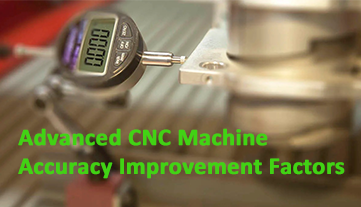
In the modern manufacturing industry, high accuracy is essential for effective production by CNC machines. These industries, such as aerospace, automotive, and electronics, are under very tight constraints, and improving CNC accuracy is one of the most challenging top priorities.
With aligned,...
In any machining process, the spindle is one of the most critical components of a machine tool. It is the heart of CNC machines, milling machines, lathes, and machining centers, responsible for holding and rotating cutting tools or workpieces at precise speeds. The performance of a spindle directly...
Walk into a machine shop, and the first thing you’ll notice is the steady hum of CNC machines at work. These machines slice through steel, aluminum, and plastic with a level of precision that would be impossible by hand.
Many people assume all the magic happens in the software. The truth? With...
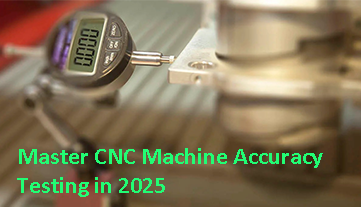
CNC machine accuracy directly affects part quality, repeatability, and production efficiency. Even small positioning, geometric, or spindle errors can lead to dimensional deviations, poor surface quality, and increased scrap rates.
Regular CNC machine accuracy testing helps identify these problems b...
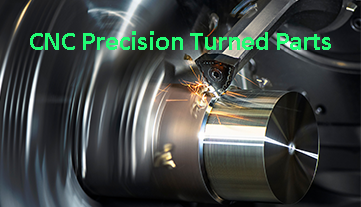
Flip the phone back, peep under a fuel injector, and hold a dental drill. The devices have small shafts, pins, and sleeves that would fit together with virtually no visible crevices. These sections are neither cast in bulk nor hand-manufactured.
They are produced using computer-controlled lathes, w...
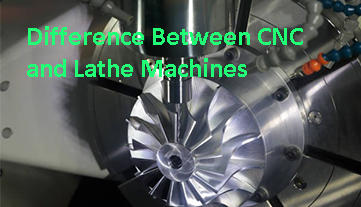
CNC and lathe machines are both used in machining, but they differ in their operating principles. A traditional lathe is manually controlled. The operator manually adjusts the speed, depth, and cutting tools. It’s ideal for simple turning jobs and one-off parts.
CNC machines, on the othe...