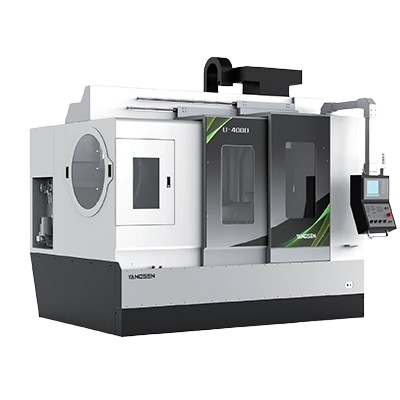
Not sure whether you need a vertical machining center, a horizontal machining center, or a gantry machine? You're not alone. Many buyers focus on price or specifications first, only to discover later that the machine isn't the right fit for their parts or production needs.
Choosing the right CNC machine starts with understanding your machining requirements. The right choice can improve productivity, reduce machining costs, and support your business as it grows.
This guide will walk you through the selection process step by step—from identifying your machining needs and choosing the right machine type to selecting the ideal size, configuration, and supplier—so you can invest with confidence.
Before comparing machine specifications or requesting quotations, take a step back and evaluate your actual machining needs. The best CNC machine isn't the one with the highest specifications—it's the one that matches your parts, production goals, and budget. Start by answering the following questions.
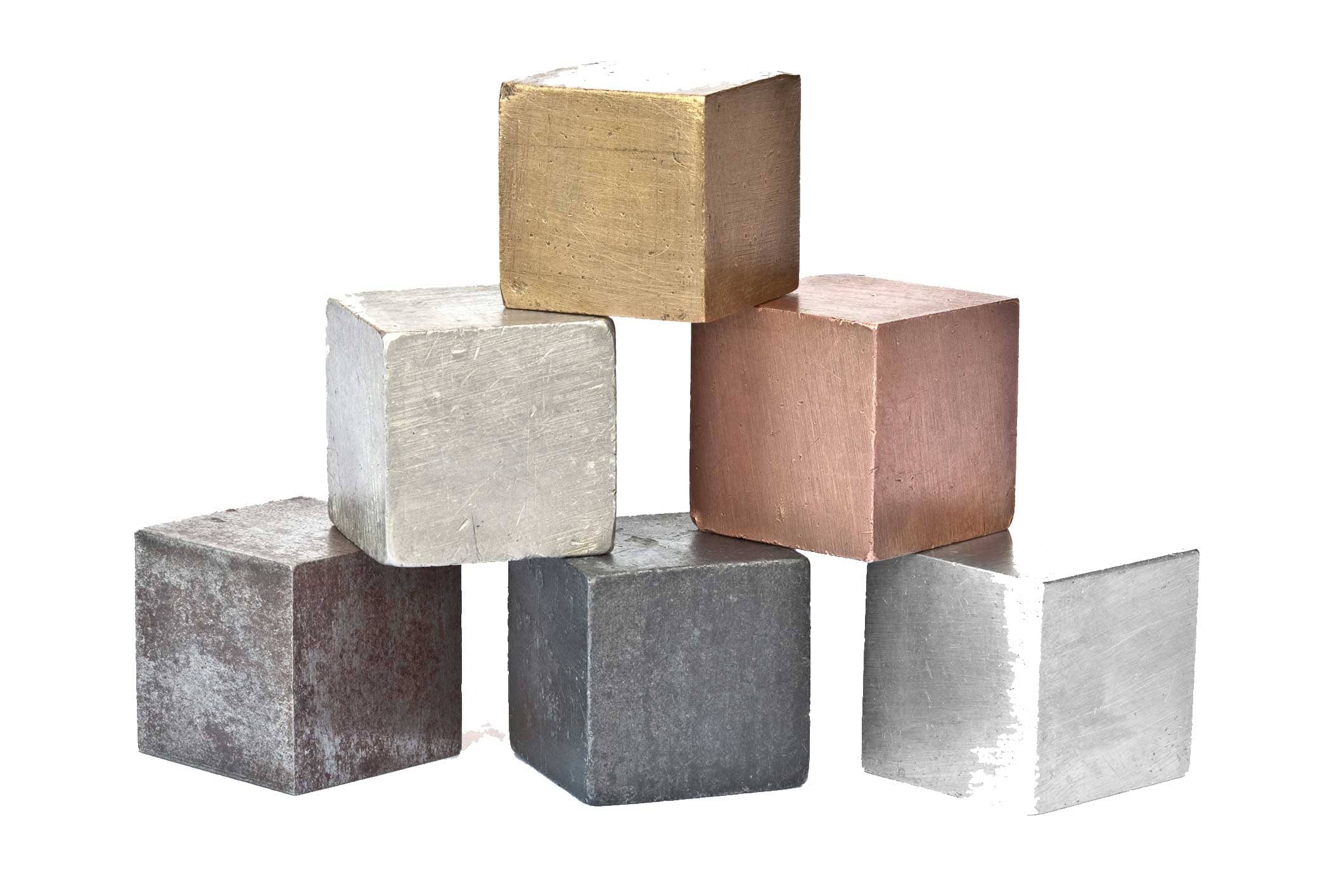
The material you machine has a direct impact on the type of CNC machine and configuration you should choose. Different materials require different spindle speeds, cutting rigidity, and tooling.
For example:
Knowing your primary material helps narrow down the right spindle, guideway type, and machine structure.
Not all CNC machines are designed for the same type of workpiece. Consider the size, shape, and complexity of the parts you produce.
For example:
Matching the machine to your typical workpiece is one of the most important steps in the selection process.
Production volume determines whether you should prioritize flexibility, speed, or automation.
Prototype or custom machining: Flexibility and quick setup are often more important than automation.
Small- and medium-batch production: A balance between productivity and cost is usually the best choice.
High-volume production: Features such as automatic pallet changers, larger tool magazines, and reliable continuous operation can significantly improve efficiency.
Think not only about your current production needs but also where your business will be in the next three to five years. Choosing a machine with room for future growth can help avoid costly upgrades later.
Once you've identified your machining requirements, the next step is selecting the right type of CNC machine. Each machine is designed for different applications, workpiece sizes, and production goals. Choosing the right machine type will improve productivity, reduce machining time, and help you get the best return on your investment.
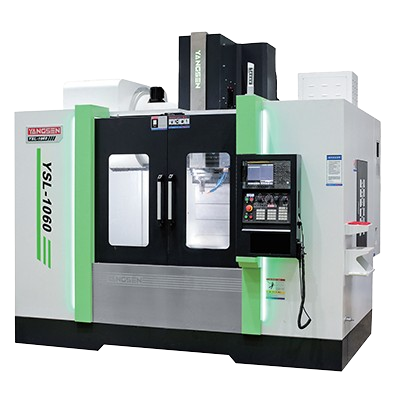
A vertical machining center (VMC) is the most versatile and widely used CNC machine. It's a great choice for manufacturers looking for flexibility, cost-effectiveness, and high machining accuracy.
Choose a VMC if you:
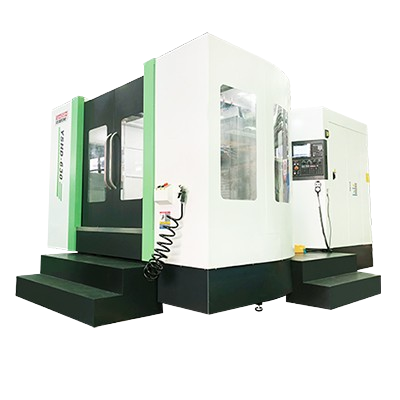
Horizontal machining centers (HMCs) are designed for high-efficiency production, especially for box-shaped parts that require machining on multiple sides.
Choose an HMC if you:
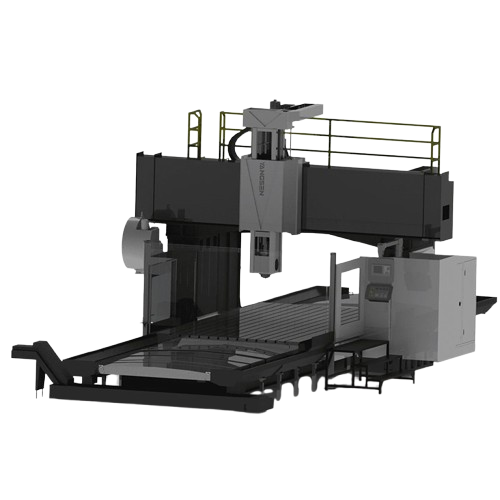
Gantry machining centers are built for oversized workpieces that cannot be efficiently machined on standard vertical machines.
Choose a gantry machine if you:
A 5-axis machining center is the ideal solution for highly complex parts that require machining from multiple angles without repeated repositioning.
Choose a 5-axis machine if you:
Choosing the right machine type is only half the decision. The next step is selecting a machine size that matches your workpieces. A machine that's too small limits your production, while one that's too large increases both investment and operating costs.
The X, Y, and Z travel should always be larger than your workpiece dimensions. Leave enough space for fixtures, tools, and safe machining clearance.
For example, if your largest part measures 800 × 500 mm, a machine with 1,000 × 600 mm travel is usually a more practical choice than one with the same travel as the part.
A larger worktable makes it easier to clamp oversized parts or machine multiple workpieces in one setup. At the same time, ensure the table can safely support the weight of your workpieces and fixtures, especially heavy steel components.
Don't choose a machine based only on today's requirements. If you expect to machine larger parts or increase production in the future, selecting a slightly larger model now can save the cost of replacing the machine later.
After selecting the machine type and size, it's time to choose the right configuration. The right options can improve machining efficiency and accuracy, while unnecessary upgrades only increase your investment. Focus on the features that match your production requirements.
The spindle determines how your machine performs during cutting.
Choose spindle speed based on your primary material rather than simply selecting the highest RPM.
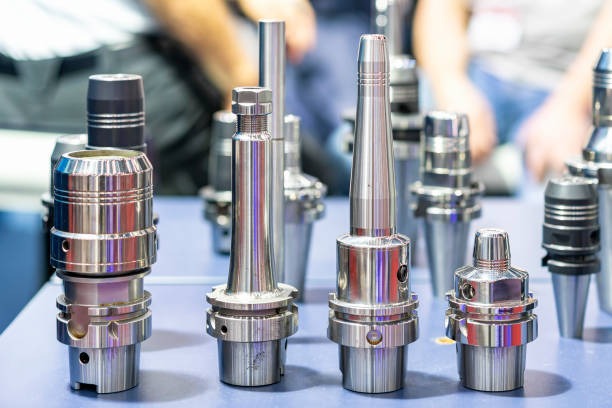
Tool holders affect rigidity, cutting stability, and machining accuracy.
Select the tool holder according to your machining requirements instead of following industry trends.
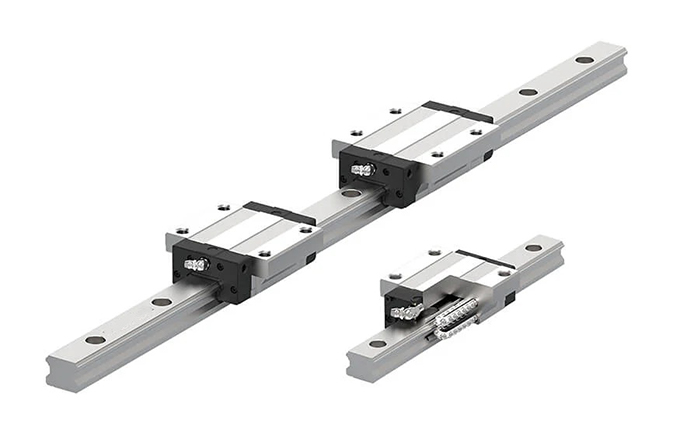
Guideways influence machine rigidity and cutting performance.
The right guideway depends on whether speed or cutting force is your priority.
Many optional features can improve productivity, but not every machine requires them.
Consider options such as:
Choose these options only if they support your current or future production needs.
Your budget should balance performance, productivity, and long-term value. The cheapest machine may lead to higher maintenance costs or lower efficiency, while the most expensive machine may include features you never use.
If your budget is limited, invest first in the features that directly affect machining performance, such as the machine structure, spindle, and control system. Optional upgrades can always be added later if your production requirements increase.
The purchase price is only part of the investment. Also consider:
A reliable machine with lower operating costs often provides better value over its lifetime.
Think about where your business will be in the next few years. If you expect larger orders or more complex projects, choosing a machine with room for future expansion may be a smarter investment than replacing the machine later.
Even the best machine specifications won't guarantee good results if the manufacturer can't provide consistent quality and reliable support. Before making a final decision, evaluate the supplier as carefully as you evaluate the machine itself.
Choose a manufacturer with proven experience in CNC machine design and production. A company with years of manufacturing expertise is more likely to deliver stable machine performance and continuous product improvements.
Ask how the machines are inspected before delivery. A reliable manufacturer should perform comprehensive quality checks, including machine assembly inspection, accuracy testing, and trial machining to ensure every machine meets its specifications.
Fast technical support can minimize downtime when problems occur. Check whether the supplier offers installation guidance, operator training, remote technical support, spare parts, and long-term after-sales service.
Look for manufacturers that have experience serving your industry. Successful projects in aerospace, automotive, mold making, energy, or general engineering demonstrate that the supplier understands different machining applications and customer requirements.
Don't choose a manufacturer based on price alone. A reliable supplier should offer not only a quality machine, but also the technical support and service you need throughout the machine's lifetime.
How do I choose the right CNC machine?
Start by defining your machining requirements, including the materials, workpiece size, production volume, and accuracy requirements. Then choose the appropriate machine type, size, configuration, and manufacturer based on those needs.
Which is better: a vertical or horizontal machining center?
Neither is better in every situation. Vertical machining centers are ideal for general machining, molds, and plate parts, while horizontal machining centers are better suited for box-type components, multi-face machining, and high-volume production.
What size CNC machine do I need?
Your machine should have enough travel and table capacity to handle your largest workpiece while leaving room for fixtures and tooling. It's also wise to consider future production requirements rather than only your current jobs.
Should I choose BT, BBT, or HSK tool holders?
The best choice depends on your application. BT tool holders are suitable for most general machining. BBT provides greater rigidity for high-speed and precision machining, while HSK is commonly used in demanding high-speed and high-accuracy applications.
What optional features are worth investing in?
Options such as through-spindle coolant, a 4th or 5th axis, automatic pallet changers, larger tool magazines, and linear scales can improve productivity and accuracy. Choose these features only if they match your production requirements and budget.
How do I choose a reliable CNC machine manufacturer?
Look beyond the machine specifications. Consider the manufacturer's production experience, quality control process, technical support, spare parts availability, and customer references. A reliable supplier can provide long-term support throughout the machine's service life.
The best CNC machine is the one that fits your parts, production goals, and budget. Take the time to evaluate your requirements before making a decision, and you'll gain better performance and long-term value.
Not sure which machine is right for you? Contact our CNC experts for a customized recommendation based on your application.