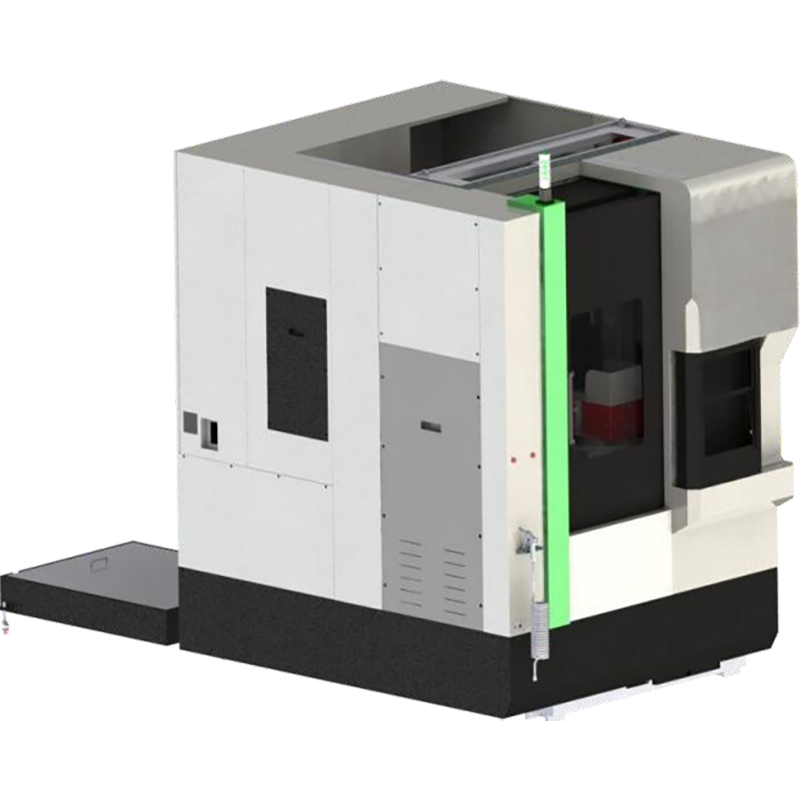
High-precision vertical lathe is a high-end CNC machine tool with a vertical spindle and a horizontally rotating worktable. It is specially designed for performing complex processing such as turning, milling, drilling, and tapping on large, heavy, or precision rotating parts with micron-level precision.
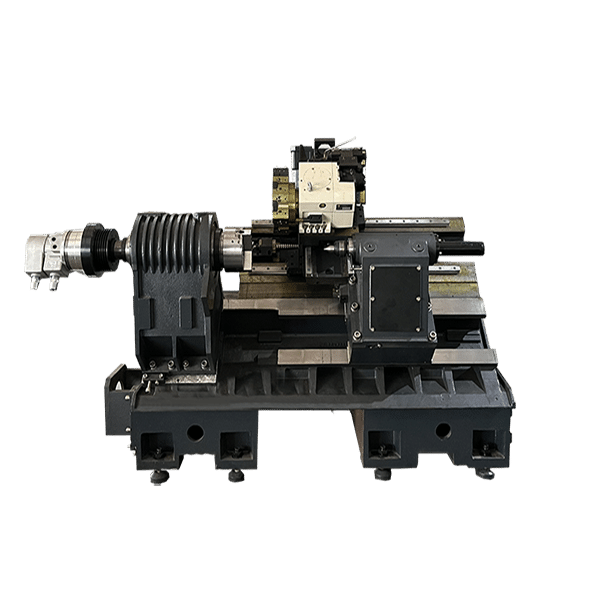
Horizontal Lathe Machine CNC Lathe YSC-580 adopts linear rolling guide imported from Taiwan to meet high-speed and high-efficiency requirements, reduce frictional resistance and temperature rise deformation, improve machining accuracy, and ensure long-term stability of cutting machining accuracy. The inclined bed CNC lathe adopts domestic or imported high-rigidity horizontal hydraulic servo turret tool holder, which has high positioning accuracy, fast tool change speed and small deformation in heavy cutting. The inclined bed CNC lathe adopts a 45-degree overall inclined bed structure, which can still maintain the stability of the machine tool precision during heavy cutting.
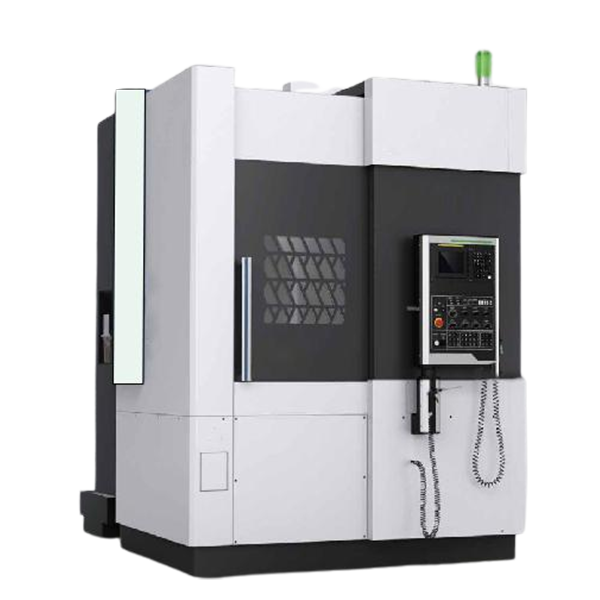
Vertical lathes, or VTLs, are one of the most traditional machine types. They are ideal for heavy-duty machining of medium to large parts. With different technologies, vertical lathes are also becoming more and more multifunctional. Our vertical lathe increases productivity by providing stable machining of thin and odd-shaped workpieces. The box-type base and column make a highly dependable, highly rigid structure and the headstock with flange construction minimizes the effects of thermal deformation and vibration, which ensures stable, accurate cutting.
High-precision vertical lathe is a high-end CNC machine tool with a vertical spindle and a horizontally rotating worktable. It is specially designed for performing complex processing such as turning, milling, drilling, and tapping on large, heavy, or precision rotating parts with micron-level precision.
Horizontal Lathe Machine CNC Lathe YSC-580 adopts linear rolling guide imported from Taiwan to meet high-speed and high-efficiency requirements, reduce frictional resistance and temperature rise deformation, improve machining accuracy, and ensure long-term stability of cutting machining accuracy. The inclined bed CNC lathe adopts domestic or imported high-rigidity horizontal hydraulic servo turret tool holder, which has high positioning accuracy, fast tool change speed and small deformation in heavy cutting. The inclined bed CNC lathe adopts a 45-degree overall inclined bed structure, which can still maintain the stability of the machine tool precision during heavy cutting.
Vertical lathes, or VTLs, are one of the most traditional machine types. They are ideal for heavy-duty machining of medium to large parts. With different technologies, vertical lathes are also becoming more and more multifunctional. Our vertical lathe increases productivity by providing stable machining of thin and odd-shaped workpieces. The box-type base and column make a highly dependable, highly rigid structure and the headstock with flange construction minimizes the effects of thermal deformation and vibration, which ensures stable, accurate cutting.